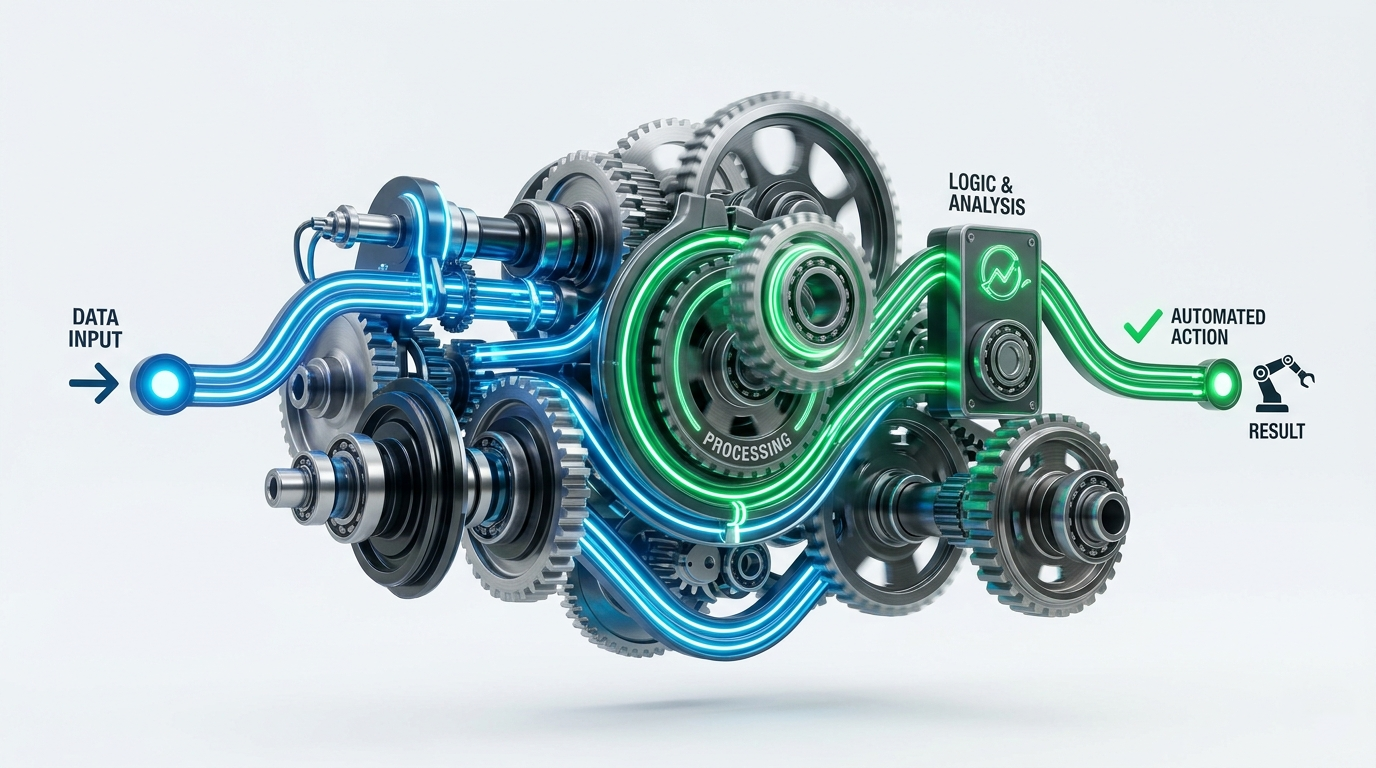
The Rise of AI Tools: Transforming How We Work and Create
Artificial Intelligence (AI) is no longer a futuristic concept—it’s an integral part of our daily lives. From automating repetitive tasks to enhancing creativity, AI tools are reshaping how individuals and businesses operate. Whether you're a student, entrepreneur, or professional, understanding and leveraging AI tools can give you a significant advantage in today’s fast-paced digital world.
What Are AI Tools?
AI tools are software applications that use machine learning, natural language processing, and other AI technologies to perform tasks that typically require human intelligence. These tasks include writing, designing, coding, data analysis, customer support, and even decision-making.
Why AI Tools Are Gaining Popularity
One of the biggest reasons behind the surge in AI adoption is efficiency. AI tools can process large amounts of data in seconds, automate routine workflows, and reduce human error. This allows people to focus on more strategic and creative aspects of their work.
Another key factor is accessibility. Many AI tools are now user-friendly and require little to no technical expertise, making them available to a broader audience.
Categories of AI Tools
1. Writing and Content Creation AI-powered writing assistants can generate blog posts, emails, social media captions, and more. They help users overcome writer’s block and produce content faster.
2. Design and Creativity Design tools powered by AI can create graphics, edit photos, and even generate videos. These tools are especially helpful for those without a design background.
3. Productivity and Automation AI tools can automate scheduling, manage emails, and streamline workflows. This boosts productivity and saves valuable time.
4. Data Analysis and Insights Businesses use AI to analyze trends, predict outcomes, and make data-driven decisions. This leads to smarter strategies and improved performance.
5. Coding and Development Developers use AI tools to write code, debug errors, and even build applications more efficiently.
Benefits of Using AI Tools
- Time-saving: Automates repetitive tasks
- Cost-effective: Reduces the need for large teams
- Improved accuracy: Minimizes human error
- Enhanced creativity: Generates new ideas and perspectives
- Scalability: Helps businesses grow faster
Challenges and Considerations
Despite their advantages, AI tools come with challenges. Issues like data privacy, ethical concerns, and over-reliance on automation must be addressed. It’s important to use AI responsibly and maintain a balance between human judgment and machine assistance.
The Future of AI Tools
The future of AI tools looks promising. As technology continues to evolve, we can expect even more advanced capabilities, such as hyper-personalized experiences, real-time collaboration with AI, and deeper integration into everyday workflows.
Final Thoughts
AI tools are not here to replace humans—they are here to augment our abilities. By embracing these technologies, we can work smarter, innovate faster, and unlock new possibilities. The key lies in understanding how to use AI effectively and responsibly.
As AI continues to evolve, those who adapt early will be better positioned to thrive in the digital age.